

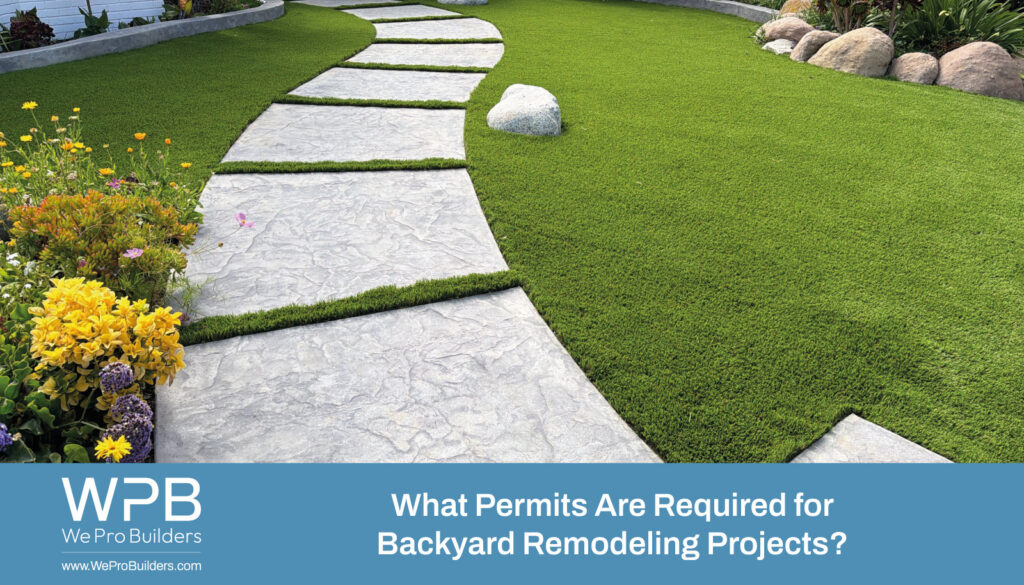
Backyard projects involving structural construction, electrical wiring, plumbing, gas lines, grading, pools, spas, or permanent covered structures generally require permits in California. Simpler improvements, such as planting, movable furniture, and some ground-level decorative work, may not. Because backyard remodeling permits are issued locally, homeowners must confirm the requirements with their city or county before construction begins.
When researching backyard remodeling in California requirements, remember that statewide building standards are only the starting point. Cities and counties may enforce additional zoning, setback, hillside, fire-safety, drainage, and design rules. Homeowners association approval may also be required, but it does not replace a government permit.
Do You Need a Permit for Every Backyard Remodeling Project?
No. Permit requirements depend on the project’s size, height, location, structural impact, and connection to utilities. Replacing plants or adding movable outdoor furniture is different from constructing a deck, installing a pool, or building an outdoor kitchen with gas and electrical service.
Even a project that does not require a building permit may still need zoning approval or have to follow setback, lot-coverage, drainage, and height restrictions. Contact the local building and planning departments before finalizing the design.
What Backyard Remodeling Projects Usually Require a Permit?
Projects that typically require California building permits include:
- Swimming pools and permanent spas
- Attached patio covers and some freestanding structures
- Decks and elevated platforms
- Retaining walls that exceed local exemption limits
- Outdoor kitchens with plumbing, gas, or electrical connections
- Permanent gas fire pits and fireplaces
- New electrical circuits, lighting systems, and outlets
- Plumbing, drainage, irrigation backflow, or sewer work
- Significant grading or changes to site drainage
- Structural walls, stairs, railings, and foundations
- Accessory buildings and enclosed outdoor rooms
- Demolition or substantial alteration of existing structures
Separate building, electrical, plumbing, mechanical, or grading permits may be necessary for one project. Pools and spas must also comply with California safety requirements involving barriers, access, and inspections.
Which Backyard Improvements Can Be Completed Without a Permit?
Some cosmetic or minor improvements may be permit-exempt, including planting, replacing mulch, installing movable furniture, and completing limited decorative work. Certain ground-level walkways, patios, low fences, and small retaining walls may also be exempt when they remain within local height and structural limits.
Exemption does not mean the work can ignore other laws. Drainage cannot be redirected onto neighboring property, structures cannot violate required setbacks, and work cannot damage utility lines or protected trees. Backyard renovation permits should always be discussed with the local authority because exemption thresholds vary among California jurisdictions.
How Long Does the California Permit Process Take?
The timeline depends on the project and the reviewing jurisdiction. A basic trade permit may be issued quickly when no plan check is needed. A structural project requiring drawings, engineering, zoning review, and corrections can take several weeks or longer.
Pools, major retaining walls, hillside construction, and extensive outdoor remodeling may require review by several departments. Coastal zones, fire hazard areas, historic districts, and properties with unusual site conditions may require additional clearances. Complete plans and accurate property information can help reduce preventable delays.
Common Permit Mistakes that Can Delay Backyard Remodeling
One common mistake is assuming a project is exempt because a similar improvement did not require a permit in another city. Local rules can differ even when properties are only a few miles apart.
Other mistakes include:
- Beginning demolition before permits are issued
- Submitting incomplete or inconsistent drawings
- Ignoring zoning setbacks and property lines
- Overlooking electrical, plumbing, or grading permits
- Failing to identify easements and utility locations
- Making field changes that differ from approved plans
- Missing required inspections
- Confusing homeowners association approval with city approval
- Hiring someone who expects the homeowner to obtain permits without explanation
A qualified backyard remodeling contractor should identify likely permit requirements during planning and explain who will prepare plans, submit applications, schedule inspections, and respond to corrections.
How We Pro Builders Helps Homeowners Navigate Permits
We Pro Builders plans full backyard projects involving services such as pavers, concrete, pools and spas, artificial turf, landscaping, outdoor lighting, irrigation, drainage, fire pits, and other outdoor living improvements. The team identifies when permits may be necessary, helps coordinate the process, and plans construction around applicable local requirements.
This support can include reviewing the proposed scope, preparing project details, coordinating required plans, and scheduling work around inspections. Homeowners should still review the contract to confirm who is responsible for obtaining each permit and paying related fees.
What Happens If You Skip Backyard Remodeling Permits?
Unpermitted work can result in stop-work orders, correction notices, fines, added permit fees, and mandatory inspections. A local agency may require finished surfaces to be opened so concealed electrical, plumbing, foundation, or structural work can be examined. Work that cannot be approved may have to be modified or removed.
Permit problems can also surface during a property sale, insurance claim, appraisal, or future renovation. The California Contractors State License Board warns that a contractor’s failure to obtain required permits may violate Contractors License Law and expose the homeowner to additional costs and liability.
Frequently Asked Questions About Backyard Remodeling Permits
Who is responsible for obtaining backyard remodeling permits?
The homeowner or licensed contractor may obtain the permits, depending on the agreement. When homeowners apply as owner-builders, they assume responsibility for permit compliance, inspections, subcontractors, and jobsite obligations. The contract should clearly identify who will pull each permit.
Do I need a permit for a backyard patio?
A simple ground-level patio may be exempt, but an attached patio cover, raised surface, structural roof, electrical installation, or gas connection may require permits. Setback, drainage, and lot-coverage rules may still apply to permit-exempt patio work.
Does an outdoor kitchen require permits?
An outdoor kitchen commonly requires permits when it includes gas piping, plumbing, electrical wiring, drainage, a permanent roof, or structural construction. Separate trade permits and inspections may be required for different portions of the installation.
Do artificial turf and pavers require permits?
Basic turf or paver installation may not require a building permit, but grading, drainage changes, retaining walls, driveway modifications, or work within a public right-of-way can trigger additional approvals. Local landscaping and water-efficiency requirements may also apply.
Can work begin while the permit is still under review?
Construction requiring a permit should not begin until the permit has been issued. Starting early can lead to a stop-work order, penalties, redesign costs, and removal of completed work. Planning, estimating, and material selection may continue while approvals are pending.
Summary
California permit requirements depend on the project’s scope and the rules enforced by the local city or county. Backyard remodeling permits are generally required for structural construction, pools, spas, grading, electrical work, plumbing, and gas lines, while simple landscaping and cosmetic improvements may be exempt. Anyone planning backyard remodeling in California projects should verify zoning, setback, inspection, and permit requirements before work begins.
Explore the Best Full Backyard Remodeling Contractor: We Pro Builders
Backyard remodeling in California is easy when you go with the right company. If you are ready to turn your yard into a masterpiece, We Pro Builders can make it happen. A leading exterior contractor in Southern California, we are dedicated to bringing our innovative outdoor designs to your home. Get a free estimate and find out how affordable, yet gorgeous, our first-class backyard creations are. Call us today: (818) 455-1826.